Method 02 / source trail
How to use a museum label
A gallery label is a compact map, not the whole territory. Preserve its fields and identifier so you can reach the fuller object record later.
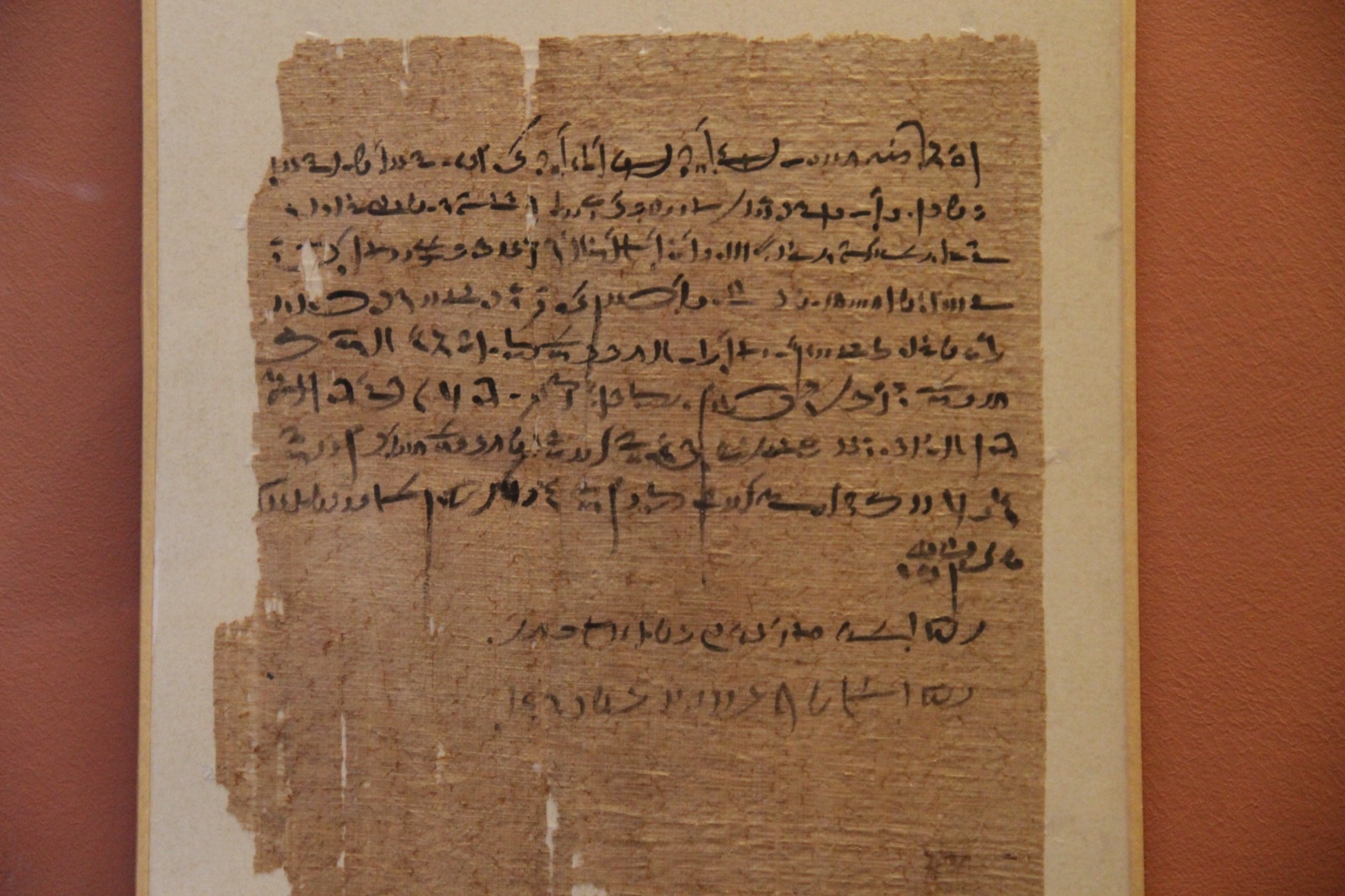
A museum label compresses research into a few lines. It may offer an object title, material, date range, place, acquisition history, translation and accession number, but not every field appears on every label. Copy the categories separately. When they are blended into a sentence from memory, “found at,” “made in,” “from the collection of” and “now displayed in” can easily become the same inaccurate idea.
Start with the identifier
Record the museum name and accession or inventory number exactly, including punctuation and letters. A room number or case number may help you relocate the display but is not necessarily the object identifier. If photography is permitted, take a square, readable frame of the label after photographing the object. Check the image before leaving; glare can hide the one character that makes the number searchable.
Keep six fields apart
Use separate lines for title, material, date, place or provenance, current collection and identifier. Preserve question marks, “probably,” “circa” and date ranges. A broad label such as “Roman Period” should not become a precise year. If a translation is printed, copy its attribution or panel heading as well; do not present it later as your own translation.
Minimal label record
Institution · object title · material · date wording · place wording · accession number · gallery or case location · photograph filename.
Read place language carefully
“Excavated at,” “said to be from,” “made in,” “used at” and “acquired in” describe different relationships. Copy the institution’s exact phrase before paraphrasing. An object’s ancient findspot is also different from its present museum. If the label is silent about provenance, leave the field blank rather than supplying the best-known site associated with that object type.
Search the official collection record
Use the identifier on the museum’s own collection website. A full record may add dimensions, bibliography, conservation history, alternate titles and several images. Confirm that the number, object type and image match; search engines can return nearby objects with similar names. Note the date you consulted the record only as a research note, not as proof that every field was recently reviewed.
Separate label text from your observation
Write “labelled as papyrus” for information taken from the panel and “brown sheet with horizontal lines visible behind glass” for what you observed. The two can support each other without becoming identical. A photograph cannot establish the language, authorship or original use of a manuscript, while a short label may not describe glare, folds or the visible arrangement in the case.
Expect displays to change
Objects move, labels are revised and gallery numbers change. The accession number is usually the strongest link across those changes. If an online record conflicts with an older photograph, report both sources and their wording instead of silently choosing one. Museums update attribution as research develops; uncertainty on a label is part of honest scholarship, not a defect to be corrected by a visitor.